
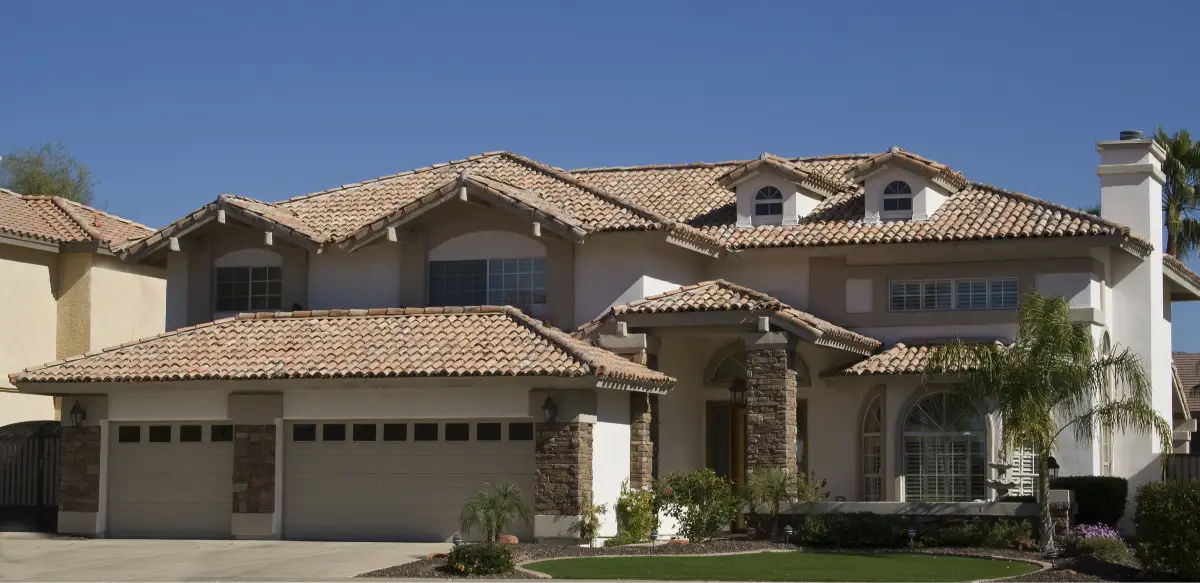
Operational pressure often shows itself during small moments, a delayed repair, a pricing adjustment that feels harder than expected, or a lease renewal that takes more effort than it should. Those moments become clearer when owners reflect on local trends highlighted in neighborhood investment outlooks, especially when certain property types consistently require less hands-on attention. In Fayetteville, Single-Family Homes frequently fall into that category. At PMI All American, we focus exclusively on residential properties, helping owners turn those natural advantages into smoother routines and more dependable ownership experiences.
Key Takeaways
- Single-Family Homes reduce coordination by avoiding shared systems.
- Privacy and outdoor space often support longer tenancies in Fayetteville.
- Flexible layouts allow renters to adjust without relocating.
- Neighborhood-based pricing supports steadier rent positioning.
- Maintenance planning tends to feel more predictable over time.
Lower Density Changes Daily Oversight
The way a property is structured directly affects how often owners need to intervene. Single-Family Homes typically generate fewer recurring issues because they lack shared infrastructure.
Renters manage their own entrances, utilities, and personal space, which reduces overlap between households. For owners, this often results in fewer interruptions and a more consistent operational flow.
Responsibility remains contained
When a repair comes up, it usually involves one household and one system. That clarity helps decisions move quickly and keeps vendor scheduling straightforward.
Fewer resident disputes
Noise complaints and shared-area conflicts occur less often when walls, walkways, and parking areas are not shared.
Outdoor Space That Encourages Longer Stays
Outdoor access plays a meaningful role in how renters evaluate housing in Fayetteville. A yard, porch, or patio can shift a home from short-term housing to a place that feels worth settling into.
Private outdoor areas support everyday routines such as pet care, relaxation, and family activities. For owners, these features often show up in longer lease terms and fewer turnovers.
Outdoor features that frequently support renewals include:
- Yard space for pets or personal use
- Covered porches that extend living areas
- Driveways or garages that ease parking concerns
When budgets are limited, prioritizing practical outdoor improvements often delivers stronger retention than cosmetic upgrades alone.
Layouts That Adjust With Life Changes
Households rarely use space the same way year after year. Career changes, growing families, and remote work arrangements all influence how a home functions. Single-Family Homes tend to perform well because their layouts allow renters to adapt without moving.
Extra bedrooms, storage areas, and defined living zones give renters room to shift how they use space. In Fayetteville, that flexibility often plays a role in renewal decisions.
Rooms with flexible purpose
A spare bedroom may transition into a home office, guest room, or hobby space. When renters can reshape their environment, staying put often feels more practical.
Separation that supports routines
Clear divisions between living, working, and resting areas help households manage overlapping schedules more comfortably.
Pricing Stability Anchored in Local Demand
Rent pricing behaves differently when properties compete at the neighborhood level instead of within a single complex. Single-Family Homes typically compete with nearby houses, allowing pricing to reflect meaningful differences.
Condition, layout, outdoor features, parking, and proximity to amenities all influence what renters are willing to pay. Owners who challenge assumptions through insights like pricing myth breakdowns often find it easier to maintain steady rent positioning.
National trends reinforce this distinction, with single-family rents running 20% higher than multifamily rents.
Features retain individual value
Detached homes vary by layout, lot size, and upgrades, allowing pricing to reflect real appeal rather than averages.
Vacancies stay isolated
One vacancy does not force concessions across multiple units, helping owners stay disciplined during transitions.
Maintenance Planning With Fewer Variables
Maintenance becomes easier to forecast when systems are not shared. Single-Family Homes simplify planning by limiting how many residents and spaces each repair affects.
Most issues involve one address and one household, which improves communication and scheduling. This clarity supports stronger reserve planning.
A practical maintenance rhythm often includes:
- Seasonal HVAC servicing
- Roof and gutter inspections after storms
- Plumbing checks to catch small issues early
- Preventive pest control
Many owners also consider long-term efficiency when planning updates, using guidance like eco upgrade ideas to reduce operating costs over time.
Insurance Awareness and Risk Preparation
Insurance expectations continue to evolve, and Fayetteville owners are not immune to shifting requirements. Single-Family Homes often involve fewer shared liabilities, which can simplify coverage decisions.
Staying informed is essential, especially as policies change. Many owners keep up with insurance update summaries to avoid coverage gaps and unexpected exposure.
Clear boundaries reduce disputes
When responsibility is well-defined, claims handling often moves faster and with fewer complications.
Consistent habits support risk planning
Regular inspections and prompt follow-through help reduce long-term exposure.
Financial Flow and Owner Disbursements
Clear financial visibility plays a major role in ownership confidence. Single-Family Homes often pair well with straightforward reporting because expenses tend to be less layered.
Owners who understand processes like owner disbursement timing often experience fewer surprises and better cash flow planning.
Simpler records support decisions
Consistent statements make it easier to evaluate improvements, adjustments, or future acquisitions.
Fewer shared costs simplify oversight
Detached homes typically involve fewer recurring shared expenses, making month-to-month review more manageable.
Growth That Aligns With Capacity
Single-Family Homes often support gradual portfolio expansion. Owners can add properties incrementally, allowing systems and reserves to adjust naturally.
Fayetteville neighborhoods vary in renter demand, with some areas attracting long-term residents and others appealing to more transitional households. Careful evaluation helps owners align growth with operational capacity.
Expansion paced to operations
Growth works best when vendor relationships, inspections, and reporting routines scale comfortably.
Homes aligned with renter priorities
Properties with practical layouts, parking solutions, and outdoor access tend to perform more consistently.
Market Signals Supporting Detached Rentals
Broader housing conditions continue to influence rental demand. As purchasing remains less accessible, more households remain renters while still seeking space and privacy.
The National Association of REALTORS® reported a national median existing single-family home price of $426,800 in the third quarter of 2025. Elevated prices often reinforce demand for well-maintained Single-Family Homes in Fayetteville.
Livability shapes renter decisions
Renters weigh daily comfort just as much as cost. Outdoor access and quieter living environments often influence choices.
Condition reflects reliability
Homes with consistent upkeep tend to attract stronger applicants and support smoother tenancies.
FAQs about Single Family Homes in Fayetteville, NC
How do Single-Family Homes affect renter turnover in Fayetteville?
They often appeal to renters seeking privacy and stability, which can lead to longer lease terms and fewer move-outs compared to higher-density rental options.
What upgrades tend to matter most for these properties?
Functional improvements such as system reliability, outdoor usability, and energy efficiency often influence satisfaction more than cosmetic updates.
Does property size impact rental performance?
Layout efficiency usually matters more than square footage, especially when space supports flexible use and everyday routines.
How do Single-Family Homes influence repair scheduling?
Repairs typically involve one household and one access point, making scheduling simpler and reducing delays tied to shared systems.
Can these homes support long-term investment goals?
Yes, their adaptability and consistent demand often make them a practical option for owners focused on steady performance over time.
A Clearer Way to Move Forward
Residential ownership often feels more manageable when property structure supports daily decision-making instead of complicating it. In Fayetteville, Single-Family Homes offer clarity, flexibility, and steady demand when paired with consistent systems.
PMI All American helps residential owners put those strengths to work with confidence. Advance your ownership direction now by partnering with PMI All American through our owner services page and stepping into the next phase with control and focus.
